Effective Thermal Fuse Systems for Safeguarding Against Overheat in Car Brake Light Modules and Critical Safety Parts
News 2025-10-27
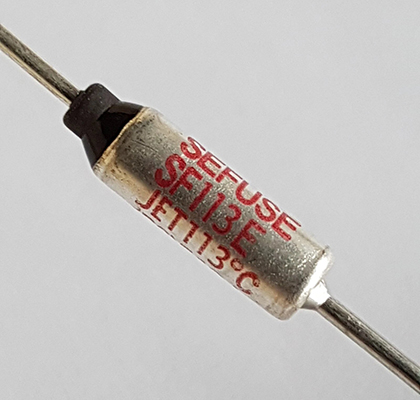
Thermal fuses are essential safety devices in automotive engineering, particularly within car brake light modules. These components protect against overheating, which can arise from electrical faults, prolonged usage, or environmental stresses. By interrupting the circuit at a predetermined temperature, thermal fuses prevent potential hazards like fires or system failures, ensuring the reliability of vehicle lighting systems. This protection is crucial for maintaining compliance with automotive safety regulations and enhancing overall vehicle performance.
Application Scenarios
Thermal fuses find key applications in automotive settings where heat management is vital. In brake light modules, they activate during high-stress situations such as rapid braking sequences or when integrated with advanced driver-assistance systems. They are also critical in electric vehicles, where compact designs increase the risk of thermal buildup in electronic assemblies. By providing targeted protection, thermal fuses help maintain functionality in diverse conditions, from urban driving to extreme weather, thus supporting safer and more efficient vehicle operations.
Performance Advantages
Thermal fuses deliver superior benefits through their precise temperature response and durable construction. They offer quick activation times, often within seconds of reaching critical heat levels, ensuring immediate circuit disconnection. Constructed from high-grade materials, these fuses resist corrosion and mechanical stress, making them ideal for the harsh automotive environment. Their non-resettable design guarantees permanent safety by eliminating the chance of re-engagement after a fault, while their compatibility with standard automotive voltages enhances integration ease and system longevity.
Frequently Asked Questions
1. What is the typical lifespan of a thermal fuse in automotive use?
The lifespan depends on operating conditions, but thermal fuses generally last the vehicle’s lifetime if not activated, offering reliable protection for several years.
2. How do thermal fuses integrate with other safety systems?
They work alongside components like sensors and controllers, forming a layered defense that monitors and responds to thermal risks in real-time.
3. What factors influence the choice of thermal fuse for a brake light module?
Key factors include the module’s maximum operating temperature, current rating, and space constraints, ensuring optimal fit and performance for specific vehicle models.