Engineered Wire Harness Designs for Automotive Throttle Position Sensor Electricals
News 2025-10-31
In the automotive industry, the throttle position sensor (TPS) plays a crucial role in monitoring engine performance by detecting the position of the throttle valve. Engineered wire harness designs are essential for ensuring reliable electrical connections that support accurate signal transmission. These designs integrate advanced materials and configurations to handle the demanding conditions of vehicle operation, such as vibrations, temperature fluctuations, and electromagnetic interference. By focusing on precision engineering, manufacturers can enhance the overall functionality of TPS systems, contributing to better fuel efficiency, reduced emissions, and improved driver safety. This article explores key aspects of these wire harness designs, highlighting their importance in modern automotive electrical systems.
Application Scenarios in Automotive Systems
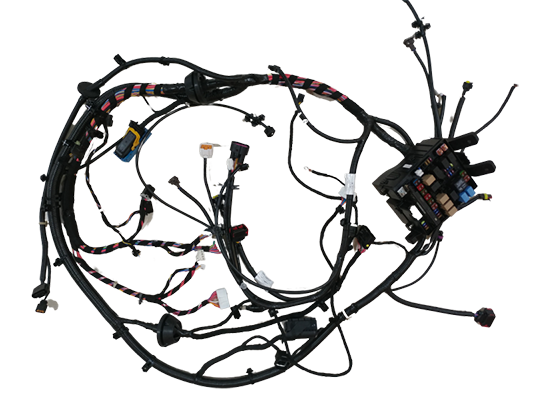
Wire harness designs for TPS are applied across various vehicle types, including internal combustion engines, hybrid, and electric models. In traditional gasoline-powered cars, these harnesses connect the TPS to the engine control unit (ECU) to optimize air-fuel mixtures based on throttle input. For hybrid vehicles, they facilitate seamless integration with regenerative braking systems, ensuring precise control during mode transitions. In electric vehicles, TPS wire harnesses support advanced driver-assistance systems by providing real-time data for acceleration management. This versatility allows for consistent performance in diverse environments, from urban commuting to high-speed highway driving, where reliability is paramount for maintaining vehicle stability and efficiency.
Performance Advantages of Optimized Designs
Engineered wire harnesses offer significant benefits by minimizing signal loss and enhancing durability. Key advantages include reduced electrical resistance through high-quality conductors, which leads to more accurate TPS readings and better engine response times. These designs also incorporate shielding to combat electromagnetic interference, ensuring clean data transmission in crowded electrical environments. Additionally, the use of robust materials like heat-resistant insulation and corrosion-proof connectors extends the lifespan of the harness, reducing maintenance needs. Such optimizations not only improve fuel economy by enabling precise throttle control but also enhance safety by preventing failures that could cause erratic engine behavior or loss of control.
Frequently Asked Questions
1. What is a wire harness in the context of automotive sensors?
A wire harness is an assembly of wires, connectors, and terminals that bundle and protect electrical circuits, ensuring organized and secure signal transmission in vehicles.
2. How do wire harness designs impact TPS accuracy?
Proper designs reduce noise and resistance in the circuit, allowing the TPS to deliver precise position data to the ECU, which is vital for optimal engine performance.
3. What factors should be considered when designing these harnesses?
Factors include material selection for durability, routing to avoid heat sources, and compliance with automotive standards to ensure reliability and longevity in various operating conditions.