Enhancing Vehicle Reliability: The Importance of Fuses in Jump Starters and Battery Boosters
News 2025-10-13
Car fuses are essential safety components in automotive systems, particularly for jump starters and battery boosters that deliver high currents to revive dead batteries. These devices rely on fuses to prevent electrical overloads, protecting both the equipment and the vehicle’s wiring from potential damage or fires. By interrupting excessive current flow, fuses ensure reliable operation in emergency situations, making them a critical part of any automotive toolkit. Proper selection and maintenance of fuses can significantly reduce risks associated with battery failures, enhancing overall safety for drivers and technicians alike.
Applications in Emergency Power Solutions
In various scenarios, such as roadside breakdowns or marine environments, jump starters and battery boosters equipped with appropriate fuses handle high-amperage demands safely. For instance, during a jump start, fuses guard against short circuits caused by improper cable connections, while in battery boosters used for slow charging, they prevent overcurrent that could harm sensitive electronics. This protection extends to recreational vehicles and off-road applications, where fuses maintain functionality under extreme conditions, ensuring consistent performance when power is critical.
Performance Advantages for Durability and Efficiency
High-quality car fuses offer superior protection through fast response to overcurrent events, minimizing damage and extending device lifespan. Constructed from robust materials, they resist corrosion and high temperatures, performing reliably in diverse climates. Additionally, precise amperage ratings optimize energy efficiency, reducing unnecessary power loss and enhancing the overall effectiveness of jump starters and battery boosters. These attributes not only improve safety but also contribute to cost savings by avoiding frequent replacements and repairs.
Frequently Asked Questions
1. What amperage should I use for fuses in jump starters?
Answer: Choose fuses based on the device’s specifications, typically ranging from 30 to 100 amps to match current demands without risk of failure.
2. How can I test if a fuse in a battery booster is faulty?
Answer: Use a multimeter to check for continuity; a broken filament or no reading indicates a blown fuse that needs replacement.
3. Are there specific fuse types recommended for these devices?
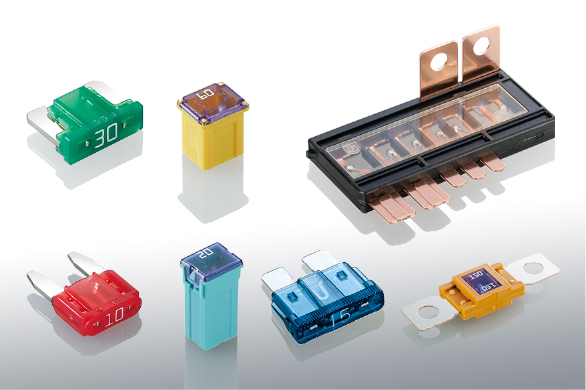
Answer: Blade fuses like ATC or mini types are preferred for their compact design and ease of installation in jump starters and boosters.