Fuse Box Options for Effective Electrical Protection in Delivery Vans Used in Commercial Transport and Logistics
News 2025-10-31
In the fast-paced world of commercial transport, delivery vans face constant demands that can strain their electrical systems. Fuse boxes are vital components that safeguard against overloads, short circuits, and other electrical issues, ensuring uninterrupted operations and reducing the risk of costly breakdowns or accidents. This protection is especially important in scenarios involving heavy usage, such as daily routes for e-commerce deliveries or perishable goods transport, where reliability directly impacts business efficiency.
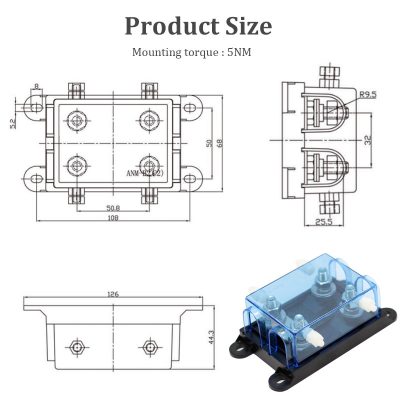
Applications in Commercial Transport
Delivery vans serve diverse roles in commercial logistics, from urban last-mile deliveries to long-haul transport of goods. In these settings, fuse boxes protect critical systems like lighting, navigation equipment, and auxiliary power sources. For example, in refrigerated vans, they prevent electrical failures that could spoil temperature-sensitive cargo. By maintaining circuit integrity, fuse boxes help avoid downtime, which is crucial in time-sensitive industries where delays can lead to significant financial losses.
Advantages of Using Fuse Boxes
Fuse boxes provide key benefits that enhance performance in delivery vans. They offer quick response times to electrical faults, minimizing damage and extending the lifespan of vehicle components. Their robust construction withstands vibrations and harsh conditions common in commercial use, while modular designs allow for easy upgrades. This adaptability ensures compatibility with evolving transport technologies, improving overall system efficiency and safety without compromising on space or weight constraints.
Installation and Maintenance Considerations
Proper installation of fuse boxes in delivery vans involves selecting models that match the vehicle’s electrical specifications and operational needs. Regular maintenance, such as inspecting for corrosion or replacing blown fuses, is essential to sustain protection levels. In commercial fleets, standardized fuse box systems can streamline repairs and reduce training costs for technicians, ultimately supporting longer vehicle service life and lower operational expenses in the transport sector.
Frequently Asked Questions
1. What is the primary function of a fuse box in a delivery van?
Answer: It protects electrical circuits by breaking the connection during overcurrent events, preventing damage to wires and components.
2. How do fuse boxes contribute to cost savings in commercial transport?
Answer: By averting electrical failures, they reduce repair costs and minimize vehicle downtime, which is vital for maintaining delivery schedules.
3. What features should be prioritized when choosing a fuse box for vans?
Answer: Focus on current rating, environmental resistance, and ease of access to ensure reliable performance in demanding commercial applications.