Glass Fuse for Car Engine Control Units
News 2025-10-27
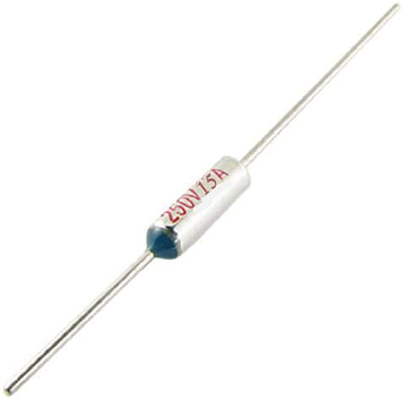
Glass fuses serve as vital protective elements in automotive electrical systems, particularly within engine control units (ECUs). These units are responsible for managing critical functions such as fuel injection, ignition timing, and emission controls in vehicles. A glass fuse features a transparent glass body that houses a thin wire designed to melt under excessive current, thereby interrupting the circuit and safeguarding sensitive electronics from damage. This design not only ensures reliable operation but also facilitates easy inspection during maintenance, making it a standard choice in the automotive industry for preventing costly failures and enhancing vehicle safety.
Application Scenarios
Glass fuses find extensive use in ECUs for protecting various circuits in modern vehicles. They are commonly installed in power supply lines to microprocessors, sensors like the mass airflow sensor, and actuators controlling components such as the idle air control valve. In electric and hybrid cars, these fuses guard against high-voltage faults in battery management systems, ensuring that any overload does not compromise the entire powertrain. Their application extends to aftermarket tuning and diagnostic tools, where their simplicity and compatibility help maintain system integrity during modifications.
Performance Advantages
Glass fuses excel in automotive ECUs due to their superior attributes that enhance reliability and efficiency. They respond swiftly to overcurrent situations, often within fractions of a second, which is essential for shielding delicate semiconductor components from thermal damage. The clear glass construction allows for immediate visual detection of a blown fuse, reducing diagnostic time and improving workflow in repair shops. Additionally, their precise current ratings and compact size enable seamless integration into tight spaces, while offering cost savings through mass production and minimal material use, making them a dependable option for long-term vehicle performance.
Frequently Asked Questions
1、What is the primary function of a glass fuse in a car ECU?
It protects the ECU and connected circuits by breaking the electrical flow during overcurrent events, preventing damage to electronic components.
2、Why are glass fuses favored over other types in automotive applications?
Their transparency allows for quick visual checks, and they provide fast, accurate protection in a cost-effective package suitable for high-volume production.
3、How can I identify if a glass fuse in my vehicle’s ECU has failed?
Look for a broken wire inside the glass tube or check for continuity with a multimeter; replacement should match the original amperage rating for safety.