Main Fuse Protection Enhancing Vehicle Electrical System Safety and Stability
News 2025-11-17
The main fuse sits at the top of the vehicle’s electrical architecture, positioned close to the battery to guard the entire power distribution network. By interrupting the circuit during a severe overload or short circuit, it prevents large current surges that could damage wiring looms, electronic control units, and high-value components such as inverters or power steering modules. Modern vehicles, including hybrid and battery electric platforms, rely on this high-rupturing-capacity fuse to maintain system integrity and meet stringent safety regulations and OEM qualification standards.
Role in Vehicle Power Distribution
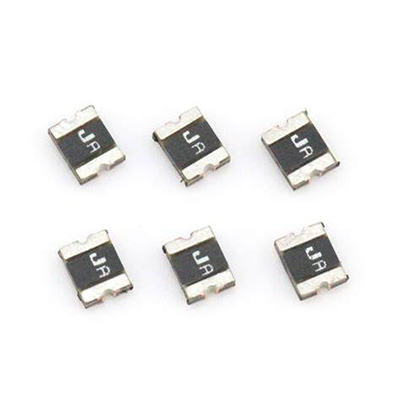
The main fuse is typically integrated into a power distribution box or battery junction box, acting as the first line of defense between the energy source and downstream loads. It protects primary feeders that supply the starter, alternator, DC‑DC converter, traction inverter, electric compressor, and body control modules. In high-voltage applications, multiple main fuses may be used to segment traction, auxiliary, and charging circuits, reducing the risk of cascading failures. Correct selection of current rating, voltage rating, and breaking capacity ensures the fuse opens safely under fault conditions while remaining stable under normal load and transient events such as engine cranking.
Performance Advantages and Safety Benefits
A dedicated main fuse provides fast-acting protection during short circuits, limiting let‑through energy and preventing insulation damage or thermal events in confined engine bays and battery packs. Low resistance elements minimize power loss and heat generation under continuous load, improving energy efficiency and supporting longer driving range in EV platforms. High interrupt ratings and arc-quenching designs allow safe disconnection even under high fault currents. Many automotive main fuses are vibration‑resistant and temperature‑rated for harsh environments, which helps maintain stable performance across wide load profiles and under demanding duty cycles.
Application Scenarios in Modern Vehicle Platforms
In conventional passenger cars, the main fuse protects starter circuits, high‑power fans, heated windshields, and infotainment systems that draw significant peak current. Commercial vehicles and buses use higher‑rated fuses to safeguard power‑hungry auxiliaries such as liftgates, air suspension compressors, and climate control units. Electric and hybrid platforms rely on main fuses at both high‑voltage and low‑voltage levels to protect traction batteries, onboard chargers, and high‑power DC‑DC converters. Integration into smart power distribution units allows OEMs to combine fuses, relays, and current sensors, enabling real‑time diagnostics and easier service while maintaining robust overcurrent protection.
Selection, Coordination, and Maintenance
Proper coordination between the main fuse and downstream branch fuses or electronic breakers is key to achieving selective protection. The main fuse is usually sized to tolerate normal operating currents and short surge events while only clearing severe faults that threaten the entire harness. Engineers evaluate ambient temperature, expected load cycles, and fault current profiles to select suitable fuse technology, whether bolt‑down, cartridge, or high‑voltage blade type. Periodic visual inspection for mechanical damage, corrosion at terminals, or overheating marks supports long‑term reliability. Using genuine, specification‑matched replacements is important to maintain compliance with OEM design targets and industry safety standards.
1. What happens when the main fuse blows?
When the main fuse opens, power to most or all major vehicle circuits is interrupted, preventing operation of systems such as the starter, ECU, and lighting. This isolation stops ongoing damage from a severe fault and indicates that a serious overload or short circuit needs diagnosis before fuse replacement.
2. How is a main fuse rated and selected?
The main fuse is selected based on system voltage, maximum continuous current, prospective short‑circuit current, and thermal conditions around the installation point. Designers also consider time‑current characteristics to ensure the fuse survives normal transients yet reacts quickly to dangerous faults.
3. Where is the main fuse typically located in a vehicle?
The main fuse is usually mounted close to the battery, either in an under‑hood fuse box, battery terminal fuse block, or integrated battery junction box. This placement allows rapid interruption of high fault currents before they can propagate into the wiring harness.