Glove Box Light Fuse Enhances Automotive Glove Box Illumination Circuit Safety
News 2025-11-17
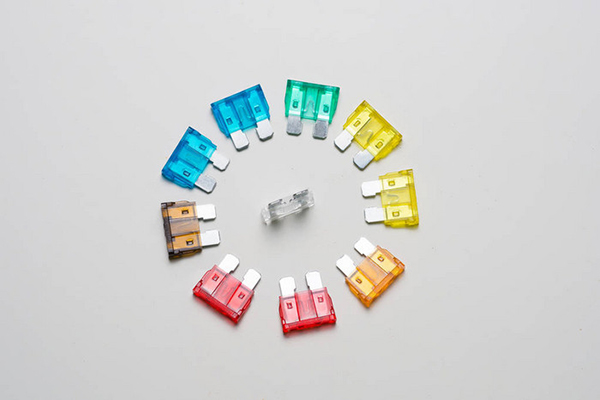
In modern vehicles, the glove box light fuse plays a small yet decisive role in safeguarding the glove box illumination circuit. This dedicated fuse is integrated into the vehicle’s fuse box and isolates the glove compartment lighting from other interior loads. By limiting current and breaking the circuit under fault conditions, it protects wiring, switches, LEDs or bulbs, and nearby trim components from overheating and damage. Well-specified fuse protection also helps manufacturers meet automotive safety, EMC, and warranty requirements while enabling consistent lighting performance for drivers and passengers.
Functional Role in the Illumination Circuit
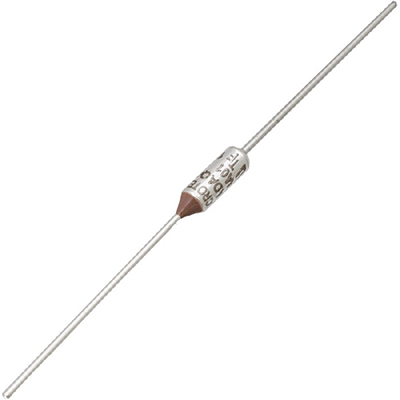
The glove box light fuse sits upstream of the glove box lamp, switch, and related harness. During normal operation, current flows through the fuse to power the lamp as the glove box door opens, often controlled by a pin or magnetic switch. When a short circuit, pinched wire, or internal lamp failure occurs, the fuse element melts at its rated blow current, instantly disconnecting the circuit. This targeted protection prevents excessive current from propagating into the broader body control or interior lighting network, reducing risk of fire and avoiding cascading failures in the vehicle’s low-voltage architecture.
Application Scenarios in Modern Vehicles
Glove box light fuses are widely used in passenger cars, SUVs, light trucks, and premium commercial vehicles. They protect LED-based glove box modules in high-end interiors, conventional incandescent bulbs in legacy platforms, and compact light assemblies in electric vehicles where space and thermal constraints are tight. In fleet and taxi applications, frequent glove box use increases wear on switches and connectors, raising fault probability and making robust fuse protection crucial. The fuse also supports aftermarket upgrades, such as higher-brightness LED retrofits, by limiting fault energy even when modified light modules are installed.
Performance Advantages and Selection Criteria
Key performance advantages of a dedicated glove box light fuse include precise current limiting, fast response to short circuits, and clear fault isolation. Properly chosen fuse ratings prevent nuisance blowing during inrush while still reacting quickly under overload. Low internal resistance minimizes power loss and keeps temperature rise within safe limits behind the dashboard. When selecting a fuse, engineers consider nominal lamp current, LED driver characteristics, supply voltage tolerances, ambient temperature near the glove box, and applicable automotive standards such as ISO and OEM specifications. Compact blade, mini-blade, or surface-mount fuses allow flexible placement in centralized fuse panels or distributed junction boxes.
Design, Maintenance, and Safety Considerations
From a design perspective, routing the glove box illumination through a dedicated fuse simplifies diagnostics and supports modular interior architecture. Technicians can quickly identify a blown fuse when the glove box light fails while other interior lamps operate normally. Correct replacement using the specified fuse type and rating is vital to preserve safety margins; using a higher-rated or bypassed fuse can expose thin-gauge wires and plastic trim to dangerous overheating under fault conditions. Clear labeling in owner manuals and on fuse box covers enhances serviceability and reduces downtime for vehicle owners and fleet managers.
Common Questions on Glove Box Light Fuse Protection
1. Why does the glove box light fuse blow repeatedly?
Repeated fuse failures usually indicate a shorted lamp module, damaged harness, or misaligned glove box switch. Checking wiring near hinges and verifying that the correct fuse rating is installed helps locate the root cause.
2. Can an LED upgrade affect the glove box light fuse?
LED upgrades often reduce steady-state current, but poorly designed drivers or wiring errors can cause inrush surges or shorts. Using quality LED modules and maintaining the OEM fuse rating ensures stable operation.
3. Where is the glove box light fuse typically located?
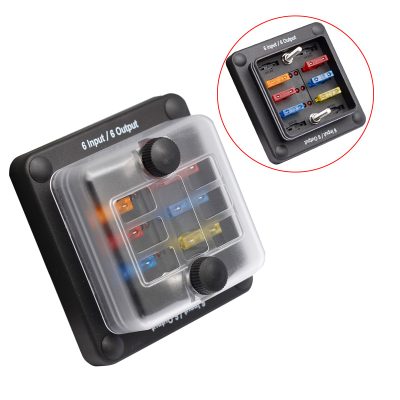
In most vehicles the glove box light fuse is housed in the main interior fuse panel or body control fuse block, often labeled as interior, courtesy, or glove compartment lighting in the fuse legend.