Heat-Resistant Thermal Fuse Enhances Safety Across High-Temperature Vehicle Zones
News 2025-11-27
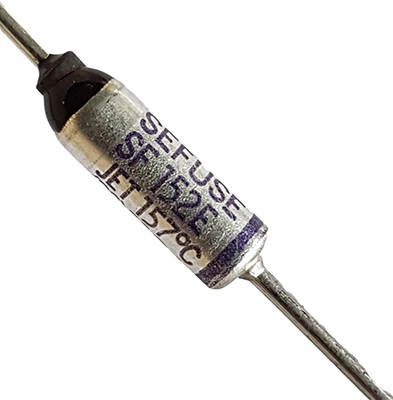
Heat-resistant thermal fuses are becoming a core safety element in modern vehicles where localized temperatures can exceed the limits of standard protective components. Electrified powertrains, compact engine bays, and dense electronics packaging all raise thermal stress, increasing the risk of overheating and thermal runaway. By integrating a fuse specifically engineered to maintain stability at elevated ambient temperatures, designers gain a robust last line of defense that disconnects the circuit when abnormal heat appears, preventing damage to wiring, battery packs, and nearby components.
Key Application Areas in Modern Vehicles
High-temperature thermal fuses see widespread use in traction battery packs, on-board chargers, DC/DC converters, starter–generator modules, and turbocharged engine compartments. In battery electric and hybrid platforms, they are often mounted near cells, busbars, or heater elements where hotspots can propagate quickly. HVAC blower motors, seat heaters, and PTC cabin heaters also rely on such fuses to stop operation under fault conditions. Their compact form factor allows installation inside tight harnesses or on populated PCBs, ensuring fast detection of localized overheating right at the source.
Performance Advantages Under Harsh Thermal Stress
Compared with standard fuses, heat-resistant thermal fuses maintain precise opening characteristics even when exposed to continuous ambient temperatures above 150°C. The internal temperature-sensitive pellet and spring mechanism are formulated and assembled to resist drift, so the rated opening temperature remains stable throughout the product lifetime. High surge endurance, high dielectric strength, and low contact resistance help protect sensitive control electronics while minimizing power loss. Many automotive-grade versions comply with AEC-Q200 and UL standards, supporting long-term operation under vibration, thermal cycling, and humidity.
Design Considerations and Integration Practices
When selecting a thermal fuse, engineers must align the rated opening temperature, current capacity, and voltage rating with the worst-case conditions of the target circuit. The device should be placed close to the primary heat source, firmly thermally coupled via clips, welding, or crimping, while avoiding direct exposure to fluids or contaminants. Proper derating accounts for ambient temperature, heat conduction paths, and transient overloads. In many systems, the thermal fuse is combined with PTC thermistors, NTC sensors, or electronic monitoring ICs to create a multilayer safety strategy that detects both gradual overheating and sudden fault events.
Impact on Vehicle Safety and Regulatory Compliance
As automotive standards tighten around battery safety and fire prevention, heat-resistant thermal fuses contribute significantly to regulatory compliance and brand reputation. Their predictable opening behavior supports functional safety analyses such as ISO 26262, helping engineers demonstrate that single-point failures do not escalate into hazardous events. By interrupting current before insulation damage or venting occurs, these fuses reduce warranty claims, extend component lifetimes, and enhance consumer confidence in electrified models.
1What distinguishes a heat-resistant thermal fuse in vehicle applications?
The key difference lies in its ability to hold a stable opening temperature under high ambient heat, ensuring accurate operation in engine bays, battery enclosures, and power electronics modules.
2Where is this type of thermal fuse typically installed in EVs and HEVs?
It is commonly mounted near cells and busbars in battery packs, inside on-board chargers and DC/DC converters, and around cabin or battery heaters exposed to high thermal loads.
3How does it support compliance and safety certification?
Consistent opening characteristics, combined with automotive qualification and safety approvals, allow designers to meet ISO, UL, and OEM-specific safety requirements while documenting robust thermal protection in hazard analyses.