Fuse Boxes with Circuit Breakers: Key to Preventing Electrical Overloads and Ensuring Safety
News 2025-10-20
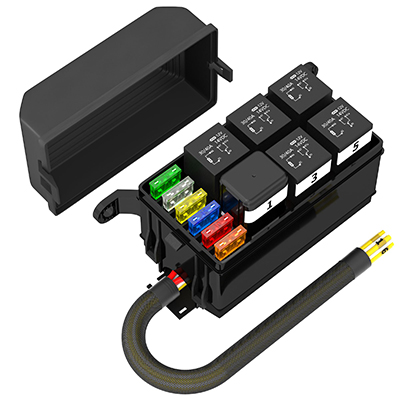
Fuse boxes integrated with circuit breakers play a vital role in modern electrical systems by safeguarding against overloads that could cause fires or equipment damage. These devices automatically interrupt current flow when excessive loads are detected, combining traditional fuse technology with advanced breaker mechanisms for enhanced protection. This setup is essential in maintaining the integrity of wiring and appliances, reducing risks in everyday electrical use.
Diverse Applications in Electrical Systems
In residential settings, fuse boxes with circuit breakers protect household circuits from surges caused by high-demand appliances like air conditioners or heaters. In commercial environments, such as offices or retail spaces, they handle multiple outlets and machinery, preventing downtime from electrical faults. Industrial applications benefit from their robustness in heavy machinery operations, where they mitigate risks in factories and warehouses, ensuring continuous and safe power distribution.
Performance Benefits for Enhanced Reliability
These systems offer rapid response times to overloads, tripping in milliseconds to avoid heat buildup and potential hazards. Their resettable nature allows for quick recovery without replacing components, reducing maintenance costs and downtime. Additionally, they provide precise current limiting, which extends the lifespan of electrical infrastructure and minimizes energy waste, making them a superior choice for long-term safety and efficiency.
Common Questions and Answers
1. What is the main function of a circuit breaker in a fuse box?
It automatically cuts off power during overloads or short circuits to prevent damage, unlike fuses which melt and need replacement.
2. Can fuse boxes with circuit breakers be used in older homes?
Yes, they can be retrofitted into older systems to upgrade safety, but a professional electrician should assess compatibility first.
3. How often should I inspect my fuse box with circuit breakers?
Regular inspections every few years are recommended, or immediately if you notice frequent tripping or burning smells.