Current Fuse OEM vs Aftermarket Quality for Automotive Repairs
News 2025-10-24
In automotive repairs, fuses are vital for protecting electrical circuits from overloads and short circuits, ensuring vehicle safety and longevity. As modern vehicles incorporate advanced electronics, the choice between Original Equipment Manufacturer (OEM) fuses and aftermarket alternatives significantly impacts repair outcomes. This article compares their quality, focusing on performance in real-world scenarios to help professionals and enthusiasts select the best option for reliability and efficiency.
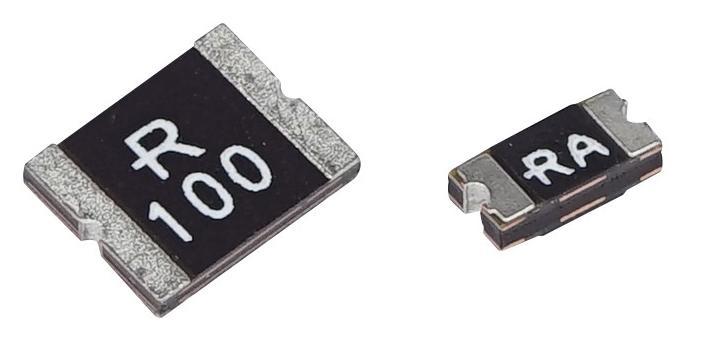
OEM Fuses: Engineered for Optimal Performance
OEM fuses are designed by the same companies that build vehicle components, guaranteeing precise fit and function. In applications like engine control units or lighting systems, they offer superior resistance to heat, vibration, and corrosion, enhancing durability. Their key advantages include consistent current ratings and faster fault response, reducing the risk of electrical fires or system failures in demanding automotive environments.
Aftermarket Fuses: Balancing Cost and Capability
Aftermarket fuses provide a more affordable choice, often used in routine maintenance or older vehicles where cost savings are prioritized. However, quality varies; some match OEM standards in material strength and accuracy, while others may have inconsistent melting points or poor conductivity, potentially compromising safety in high-stress scenarios like off-road driving or extreme weather. Selecting reputable brands ensures better performance in less critical applications.
Frequently Asked Questions
1. What defines the quality difference between OEM and aftermarket fuses?
OEM fuses adhere to strict vehicle-specific standards, offering higher reliability, whereas aftermarket fuses may lack this customization, leading to variability in performance.
2. Can aftermarket fuses be safely used in modern vehicles?
They can be safe for non-essential systems if certified, but for critical components, OEM fuses are preferable to avoid compatibility issues and ensure long-term safety.
3. How do application scenarios influence fuse choice?
In high-performance or safety-critical settings, OEM fuses provide better protection, while aftermarket options suit general repairs where cost and availability are key factors.